

Welcome to Lender Lens, our series for profiling leaders in the Lender community.
With private credit playing an increasingly important role in the financial system, we wanted to find out how lenders are navigating the evolving landscape and how they assess the market in the coming years.
Dealmaking has become more complex in today’s market — and private credit is adapting.
As traditional banks continue to retrench from lower-middle market lending, a growing financing gap is creating new opportunities for alternative capital providers. Firms like LO3 Capital are stepping in to fill this void, offering flexible, long-term solutions to businesses that have historically relied on regional lenders.
In this Lender Lens, we speak with Zak DeOssie, Director of Business Development & Investor Relations at LO3 Capital, about where he sees the most compelling opportunities today, how the firm evaluates risk in an evolving technological landscape, and what sets LO3 apart in an increasingly competitive market. Zak also reflects on his unconventional path from a 13-year NFL career to private credit, and the lessons that continue to shape his approach to investing and partnership.
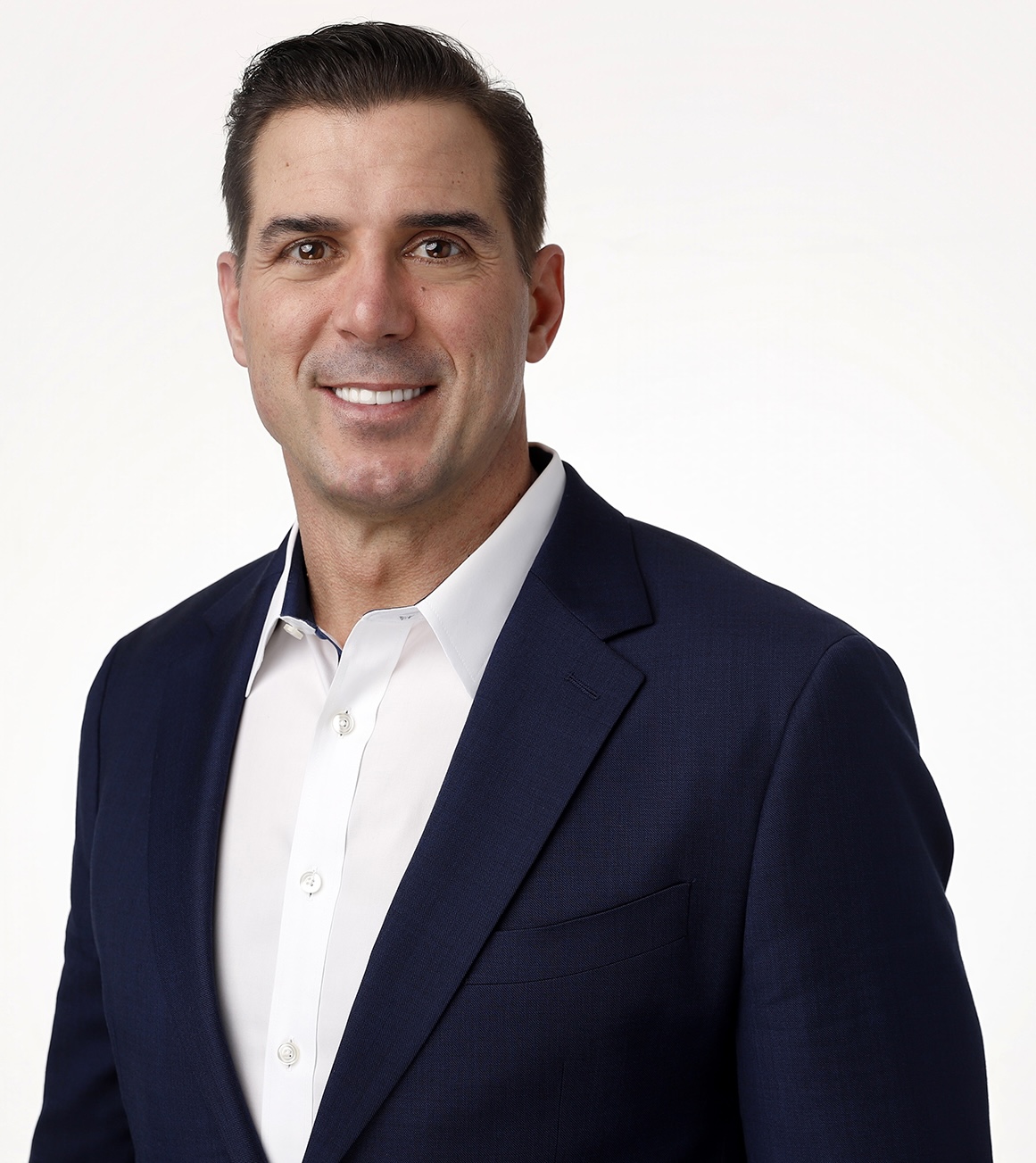
With banks continuing to pull back from lower-middle market lending, where do you see the biggest opportunities for firms like LO3 Capital today?
We’re seeing a structural shift that’s been building for years but has accelerated recently. Increased regulation, balance sheet constraints and consolidation have made it more difficult for regional banks to serve lower-middle market companies. That’s created a meaningful gap in the market.
For firms like LO3, and especially those operating within the Small Business Investment Company Program (SBIC), there is an opportunity to step in as a consistent provider of growth capital to these businesses. The SBIC structure is specifically designed to channel private capital to underserved segments of the economy, which aligns directly with where we focus.
We’re able to partner with founder-owned and sponsored businesses, providing flexible, long-term financing solutions. In today’s environment, that often comes with stronger structures and better alignment. Combined with our disciplined approach, it allows us to focus on downside protection while still generating attractive, equity-like returns.
What types of companies represent the most attractive opportunities for lending right now?
Our sweet spot is the lower-middle market, typically businesses with $3 to $15 million of EBITDA and strong, consistent cash flow profiles. These are often founder-owned or family-operated companies, but we also actively partner with traditional lower-middle market buyout sponsors.
A key focus for us is supporting companies in the growth stage, particularly those executing on acquisition-driven expansion. We’re often backing businesses in sectors like residential services, business services, staffing and technology-enabled platforms, etc. Companies that are scaling regionally or nationally through disciplined M&A strategies.
The SBIC program is designed to support exactly these types of businesses –companies that are established, but still in a critical phase of growth and often underserved by traditional lenders.
Geographically, we invest across the U.S., often in areas where access to capital is more limited. Ultimately, we’re focused on durable businesses with strong management teams where we can provide flexible capital and be a long-term partner in their growth trajectory.
With rapid advancements in artificial intelligence creating both opportunity and disruption, how has this affected the way you evaluate investment opportunities, if at all?
AI is clearly an important theme, but it hasn’t fundamentally changed how we approach investing, it’s reinforced the importance of discipline. Our focus remains on understanding how technological change, including AI, impacts both the durability and growth potential of a company’s business model over time.
Within the SBIC framework, we’re investing in established, cash-flowing businesses that are often earlier in their growth trajectory. So, the question is less about whether they are building AI and more about how they adapt to it. We spend time evaluating whether a company has a defensible position through customer relationships, recurring revenue, differentiated services and whether it can leverage new technologies to drive incremental growth.
In many cases, AI acts as an enabler rather than a disruptor for these businesses, improving efficiency and supporting scalable expansion. Strong management teams that can thoughtfully adopt these tools tend to be well positioned.
So, while AI is part of our diligence, our core approach hasn’t changed, we continue to prioritize stability, structure and long-term resilience alongside sustainable growth.
What do you think differentiates LO3 from your competitors?
At our core, differentiation comes down to how we partner with the businesses we invest in. We take a long-term, relationship-driven approach and work closely with management teams through both periods of growth and more challenging environments. The lower middle market can be dynamic, especially for companies executing on growth strategies, and we view our role as more than just a capital provider. We’re a consistent partner helping navigate those inflection points.
That means being patient when needed, staying engaged, and working constructively with borrowers to get through more complex or choppy periods. We spend a significant amount of time upfront in our diligence and underwriting and we’re able to build conviction in the businesses we back, which allows us to take a measured, solutions-oriented approach when things don’t go exactly as planned.
Supporting that is a differentiated sourcing model focused on directly originated and non-sponsored opportunities, as well as our participation in the SBIC program, which enables us to provide flexible, long-term capital. We also collaborate with other SBICs across the country to support larger, fast-growing platforms.
Finally, our senior leadership team brings decades of experience investing across multiple credit cycles, which informs how we underwrite risk and support our portfolio companies over time.
Your first career was in the NFL. How did you end up in your current role, and is there anything you took from that career that has helped you in finance?
I spent 13 years with the Giants, which was an incredible experience. Winning was great, but day to day it’s really a grind with constant preparation, competition and finding ways to improve. Toward the back half of my career, I started thinking seriously about what came next and became more interested in business and investing, which ultimately led me into a business development role at LO3. I’ve found that my time as an executive committee member with the NFLPA, including negotiating Collective Bargaining Agreements on behalf of active players, isn’t all that different from what I do in my second career.
One of the biggest things that carried over is being part of a team. In the NFL, success is never individual, it’s about doing your job, trusting the people around you and executing together. That translates directly to what we do here, whether it’s sourcing opportunities, fundraising or working through a deal.
I also learned the importance of finding the right veteran mentors. That made a huge difference for me in football, and I’ve been fortunate to have that same kind of guidance from the senior team at LO3.
And, like football, origination and fundraising are constant, you’re always chasing the next opportunity and improving week by week; celebrate the wins quickly and learn from the losses.