This is a new announcement banner that can be turned on and off

If someone gave you back a full day every week for the rest of your career, what would you do with it?
We put that question to private capital professionals as part of our H2 2026 Private Capital Survey. The answers revealed a consistent pattern by career stage — and became the starting point for a broader idea.
We call it the Time Dividend.
When technology, better processes or sharper prioritization remove administrative work, they don’t simply save time. They create investable time — hours that become available for reinvestment in relationships, knowledge, judgment, and the foundations of long-term performance. The return on that reinvestment compounds quietly over a career.
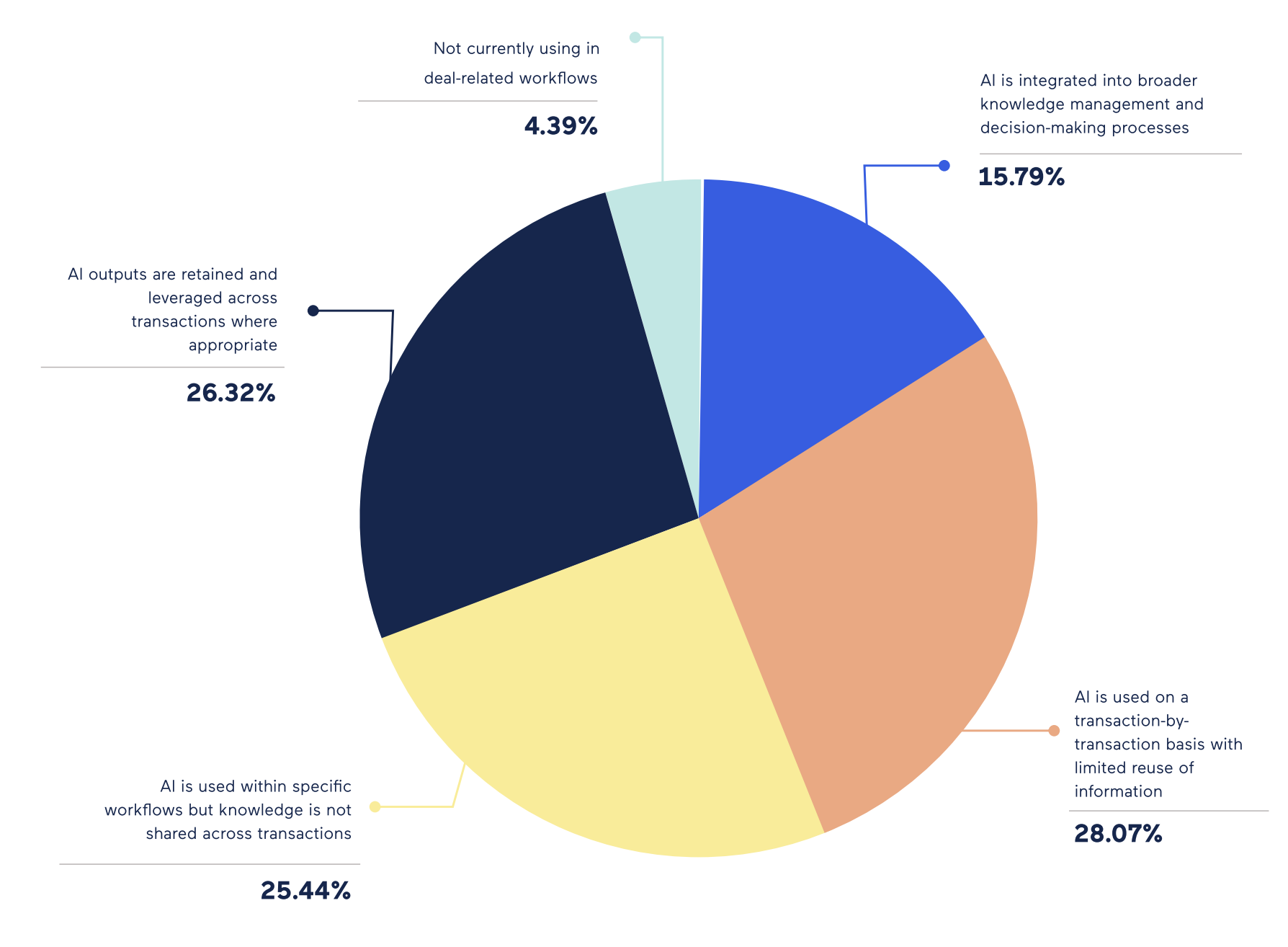
Nearly all respondents are now using AI in some form across their deal workflows. But when asked what would most increase their team’s capacity, the answers pointed overwhelmingly to workflow automation and improved deal sourcing — not new investment strategies, additional headcount or restructured processes. Taken together, those responses point to a common constraint: capacity. In practice, that means time.

Which best describes your firm’s approach to AI in deal-related workflows?
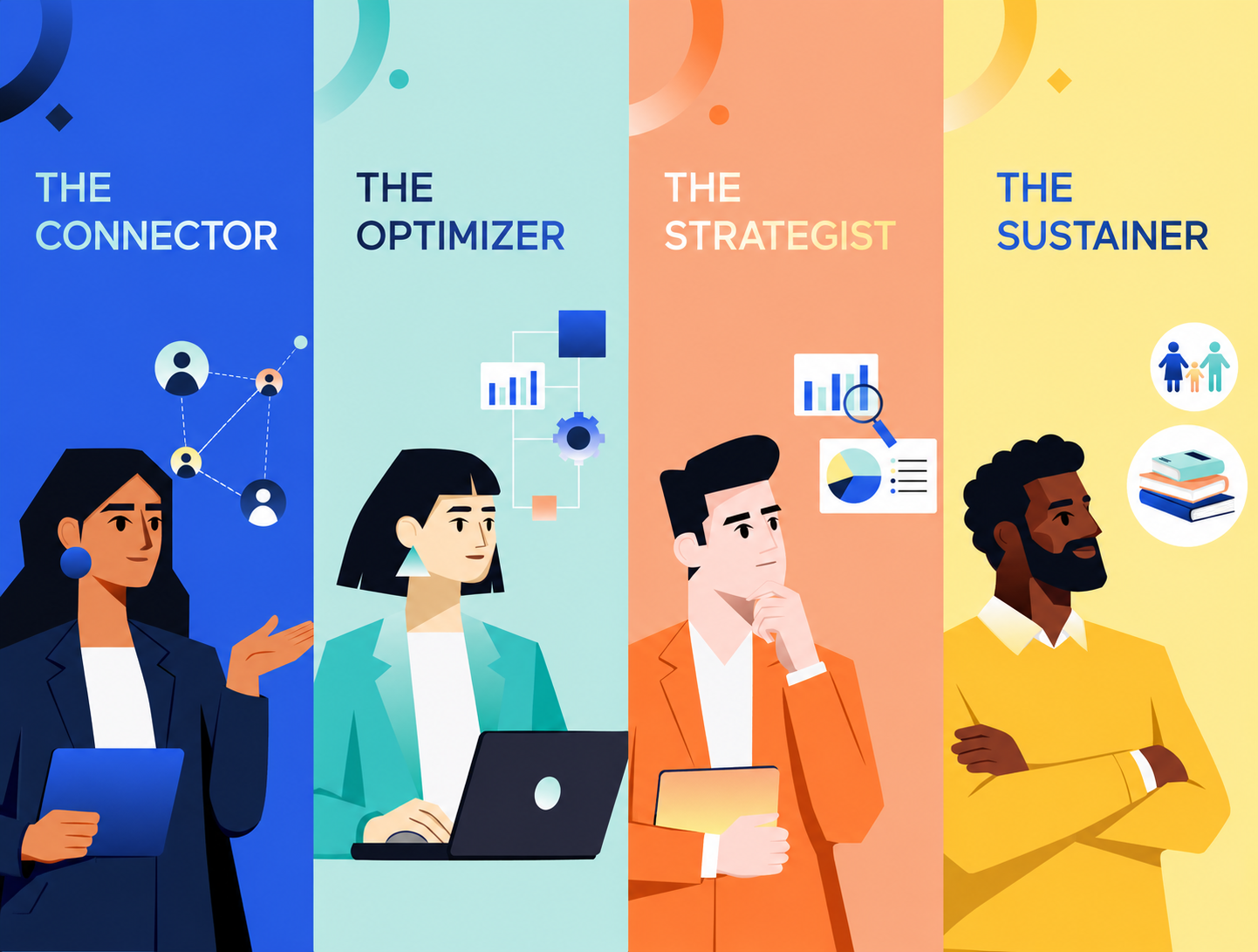
Looking across the responses, four distinct patterns emerged — four different ways of thinking about how to turn the same resource into lasting value.

The Connector invests in people — in building and sustaining the relationships that generate opportunity, trust, and long-term deal flow. Their core belief is that relationships create opportunity.
The Strategist invests in knowledge — in thinking more deeply, reading more widely, and sharpening the judgment that separates good decisions from great ones. Their core belief is that better judgment creates better outcomes.
The Optimizer invests in process — in finding the friction in the system and removing it so that the whole team can focus on work that actually moves the needle. In doing so, the Optimizer does something the other archetypes benefit from directly: they generate the Time Dividend in the first place. Their core belief is that better ways of working create more investable time for everyone.
The Sustainer invests in foundations — the family, health, and personal pursuits that sustain the energy and perspective needed to perform consistently over a long career. Their core belief is that long-term success depends on sustaining high performance.
None of these is the right answer alone. In practice, most people draw from more than one archetype depending on where they are in their career, the demands of the market, and what they feel they are most short of. But people do have a dominant instinct, and the data suggests that instinct shifts in a recognisable way as careers develop.
About the analysis: The Time Dividend findings are drawn from Termgrid’s H2 2026 Private Capital Survey. Respondents included professionals from sponsors, lenders, credit funds and advisory firms. Career level was determined by job title. Results have been segmented by career level, and senior-level findings are based on a smaller sample and should therefore be treated as directional.
Termgrid
Stay in touch with all of our latest updates and articles.